Table Of Content
- What Are Some Local Restaurants or Food Stalls in the Bahamas Where Tourists Can Try These Recommended Dishes?
- How does the size of a cruise ship affect its fuel consumption per mile?
- Average Fuel Consumption per Day
- Azamara Onward: Origins, Renovation, and Future Plans
- Are there any technological advancements being made to improve the fuel efficiency of cruise ships in the future?
- Does the Fuel Efficiency of a Cruise Ship Determine How Far it Can Travel Without Refueling?
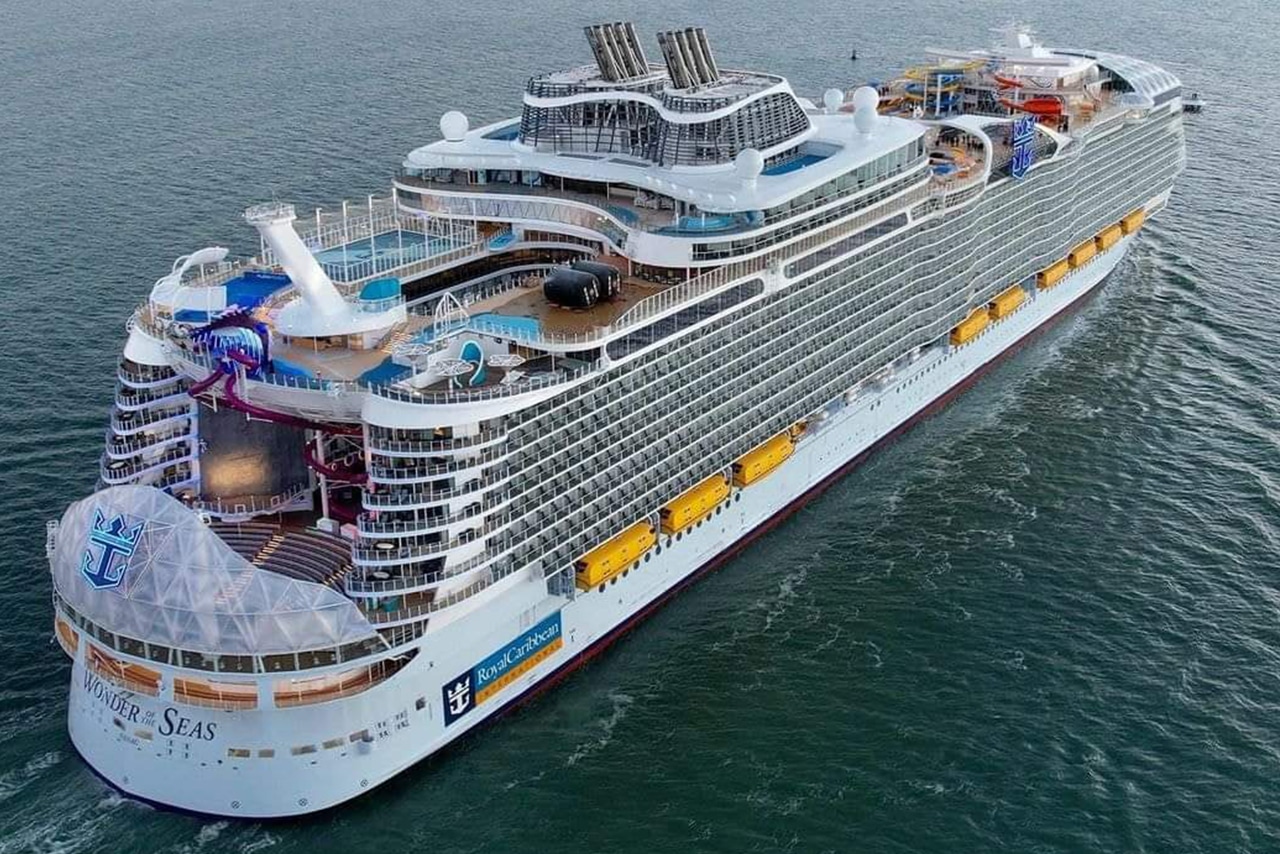
Royal Caribbean vessels of Oasis, Freedom, and Voyager classes have pod-propulsion as many other big ships, which is opposed to the fixed traditional screws which push in one direction only. Large equipment (propulsion motor, bow thrusters) requires electricity of high voltage. As for smaller machinery (cabin lights, galley equipment), the electricity goes through the transformer and is thus stepped down into lower voltage. They carry power from generators to switchboards, through passageways, public rooms, crew and passenger cabins. If the electrical cables aren't truly redundant, even ships that feature two engine rooms suffer power failure. All ships rely on propellers/screws to be pushed through the water, providing forward and reverse motion.
What Are Some Local Restaurants or Food Stalls in the Bahamas Where Tourists Can Try These Recommended Dishes?
The environmental consequences of cruise ship gas consumption include air and water pollution, oil spills, disturbance to marine life, and coral reef damage. However, the cruise industry is actively working to minimize its ecological footprint. Cruise lines are adopting fuel-efficient technologies, exploring alternative fuels like LNG, and integrating hybrid and electric propulsion systems. It is worth noting that the cruise industry is actively working to improve fuel efficiency and reduce gas consumption. Cruise ships are renowned for their luxurious amenities, stunning ocean views, and the unforgettable experiences they offer to passengers. However, behind the scenes, these floating marvels require massive amounts of fuel to power their engines and operate the various systems onboard.
How does the size of a cruise ship affect its fuel consumption per mile?
LNG-powered cruise ships have the potential to considerably reduce greenhouse gas emissions, air pollutants, and particulate matter. One of the key strategies is the use of advanced technology and fuel-efficient engines. These engines are designed to optimize fuel consumption and reduce emissions. Additionally, sustainable cruise lines prioritize the use of alternative fuels such as liquefied natural gas (LNG) or biodiesel, which have lower carbon footprints compared to traditional fossil fuels.
Average Fuel Consumption per Day
Cruise ship operators continually seek to manage and reduce their fuel costs, which represent a significant portion of their operating expenses. As the cruise industry continues to grow and evolve, there is a concerted effort to reduce the environmental impact of cruise ships. The industry’s commitment to sustainable practices, technological advancements, and regulatory compliance demonstrates its dedication to preserving the oceans and the beautiful destinations they visit. It’s worth noting that fuel consumption is not solely determined by the distance traveled. Cruise ships often spend a significant amount of time docked at port, where they can connect to a shore power supply and reduce their dependence on onboard generators.
Environmental regulations and industry initiatives are driving the adoption of cleaner and more sustainable practices, encouraging cruise operators to improve fuel efficiency and reduce carbon emissions. Ship size and passenger capacity also play a significant role in fuel consumption. While larger cruise ships may consume more fuel due to their size and energy demands, economies of scale can be achieved when considering fuel usage per passenger. Regardless of ship size, implementing energy-efficient systems and responsible operational practices contribute to optimizing fuel consumption. On the other hand, gas turbine engines offer higher power output but consume more fuel. These engines are often found in high-speed cruise ships or vessels with a need for rapid acceleration.
Smaller Passenger Vessels
The sheer volume of fuel these vessels consume per hour contributes to water contamination and marine ecosystem devastation. Cruise ships are massive and pack a ton of power, making them a thrilling sight to behold on the open seas. Their size is truly impressive, with some ships stretching over 1,000 feet long and accommodating thousands of passengers. This size allows for the inclusion of numerous amenities, such as restaurants, theaters, and swimming pools, which contribute to the overall appeal of these floating resorts. Some cruise lines add a fuel surcharge to their cruise fare, which you’ll see when you book your ticket in times of high fuel prices. However, for the most part, the cruise ship’s fuel is not something you have to worry about on your vacation.
All of these gauges send their readings back to the control room so that the engine crew can monitor them. Now before you get too worried about the poor fuel mileage, keep in mind that more than 5,000 people are moving that distance between passengers and crew. When you think of moving each of those people 51 feet on a single gallon, it’s actually quite impressive. With a lifelong fascination for exploring new horizons, Alfons discovered his love for the ocean and cruising at a young age. Cruise lines have established robust waste management and recycling programs onboard. These programs aim to minimize waste generation, promote recycling, and ensure proper disposal of hazardous materials.
Most people don’t worry about fuel outside of filling up the gas tank in their car. However, in a world full of environmental crises, it helps to consider fuel consumption in other areas of our lives. For the project was contracted Rolls-Royce Marine, initially for 6 ships plus optional another 3.
For example, if you decided to go on a road trip with your truck towing a boat, you probably had to stop for gas more often than the last trip you took with your vehicle alone. If you’ve ever had an experience like this, you can agree that carrying more weight requires more fuel. This is mainly due to the amount of fuel a large ship needs to stay afloat compared to a smaller ship. The bunkering process, if executed poorly, can result in fires, spills, and environmental damage.
Windstar’s ships are on the smallest end of this range, as our vessels carry roughly 250 to 300 guests. Beyond that, much like cars, the design of the cruise liner also dictates how much fuel will be consumed. When a cruise ship is being designed, they consider how the water will affect the ship and consequently affect fuel consumption. Keep reading to learn everything about cruise ship fuel consumption and more. Cruise companies like Royal Caribbean desire to use LNG fuel beyond just reducing a carbon footprint.
How Much Fuel Does a Cruise Ship Use? - LoveToKnow
How Much Fuel Does a Cruise Ship Use?.
Posted: Tue, 16 May 2023 19:58:10 GMT [source]
Compared to the available cargo ships, the draughts of cruise ships vary less. Because of this, the load parameters are dependent less on it and more on the weather. With a relatively higher draught, the propeller performance changes significantly with the shifting sea conditions.
By optimizing our itineraries, we have been able to significantly reduce our carbon footprint, making a positive impact on the environment. Not only does this software benefit the environment, but it also helps us to operate more efficiently, saving on fuel costs and reducing our overall operational expenses. Additionally, international cooperation is vital in addressing the global nature of cruise ship emissions. Collaboration between countries allows for the development of common standards and guidelines, ensuring that cruise ships operate responsibly regardless of their location. The role of government and international organizations is crucial in setting regulations and standards that enforce fuel efficiency and emission reduction in the cruise industry. One effective way to cut down on the amount of fuel a ship consumes for each mile traveled is by implementing innovative strategies for fuel efficiency.
Cruise lines are investing in technologies and operational practices to improve fuel efficiency and minimize environmental impact. From utilizing diesel-electric or gas turbine engines to exploring alternative fuels like LNG, cruise operators are continuously striving to reduce emissions and dependence on fossil fuels. One way cruise companies can achieve this balance is by investing in fuel-efficient technologies. Additionally, implementing waste management systems and recycling programs can further minimize the negative impact on the environment. As the industry continues to strive towards sustainability, finding innovative ways to optimize gas consumption and reduce emissions on all ship sizes will be a top priority. It is important to note that fuel consumption can vary significantly based on the type of engine installed on the ship.
For example, according to the IMO, a slight increase in wind hitting the front of a vessel could result in a 4% rise in fuel consumption. To avoid poor weather and higher fuel costs, the captain may choose a different route. Usually, the fastest route will also use the lowest amount of fuel and encounter the least amount of weather-related damage.
While fuel-saving measures are important, providing an enjoyable and timely experience is equally vital. Therefore, cruise lines carefully evaluate speed and itinerary decisions to optimize fuel efficiency while meeting passengers’ expectations. The speed at which a cruise ship travels, as well as its itinerary, can have a significant impact on fuel consumption. These factors directly influence the energy requirements needed to propel the ship and the distance it covers during a voyage.
MSC Cruises has implemented various measures to reduce water consumption per traveler. These include the delivery of MSC Europa and MSC Seascape compliant with water treatment standards and a 9% reduction in water consumption compared to 2021. I actively participate in water conservation and waste recycling efforts onboard our ships to ensure we are minimizing our impact on the environment.


No comments:
Post a Comment