Table Of Content
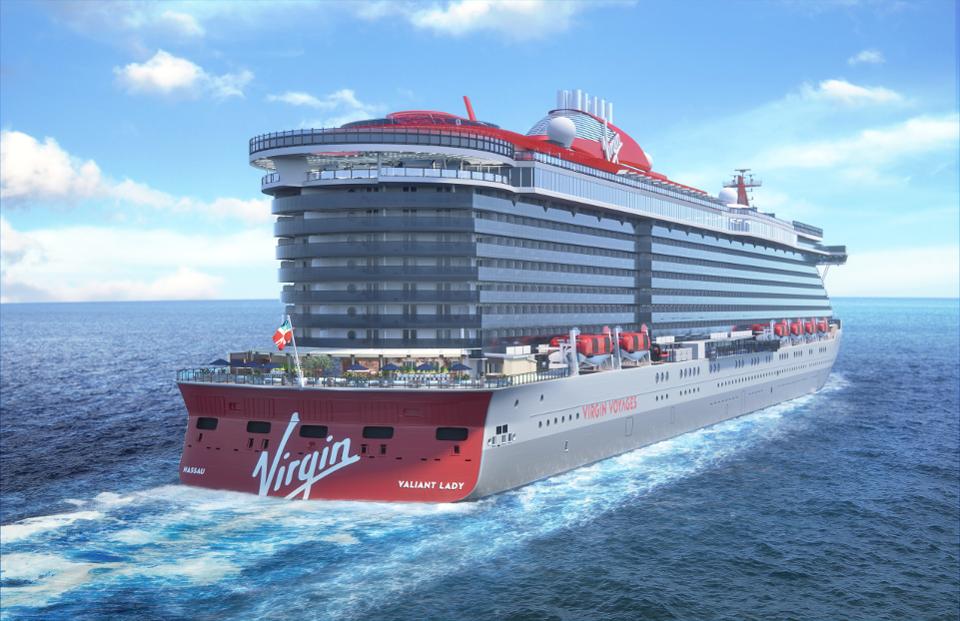
TUI published the company's environmental impact report (first of its kind) including environmental objectives and TUI strategy for a 5-years period. According to it, in 2012 TUI reduced by 3.7% per nautical mile its fuel consumption, and expects further 5% reduction, reducing CO2 emission at the same time by 0.5 kg to 0.55 kg per traveler. The main advantage of the diesel-electric cruise ship engine systems is efficiency as they allow main engines to operate near the most efficient speed, no matter if the ship is moving at 5 or 25 knots.
A Cruise Ship Can Hold How Much Fuel?
Cruise ship engine power is supplied through the transmission to the propeller shafts. Modern ships use either diesel-electric engines or gas turbines as a source of power for propulsion, and for ship's systems. Some of the larger ships depend on two power sources - one for electrical power and one for propulsion. In 2020, IMO (International Maritime Organization) implements its global 0,5% sulfur cap on marine fuels. Each fuel option is based on vessel type and age, routes/itineraries and powerplant.
Bahamian Shrimp and Grits
These massive floating resorts offer a unique experience, combining the excitement of travel with the comforts of a hotel. However, it’s important to understand that these enormous vessels require large amounts of fuel to power their engines and keep everything running smoothly. The speed and itinerary of a cruise ship are important factors in determining fuel consumption.
Fuel Capacity of Cruise Ships: How Much Can They Hold?
In addition to our focus on diversity, we are proud to announce our commitment to achieving LEED certification for our terminals in Miami and Barcelona. This certification recognizes our dedication to sustainable building practices and environmental stewardship. The strategy includes targeted outreach efforts to underrepresented communities and partnerships with diversity organizations.

Cruise ships come in various sizes, ranging from small boutique vessels to mega-ships that can accommodate thousands of passengers. Not only are modern cruise ships massive vessels, but they are also at sea for days, if not weeks at a time. Therefore, it’s valid to wonder how big of a fuel tank these ships need to complete a sailing.
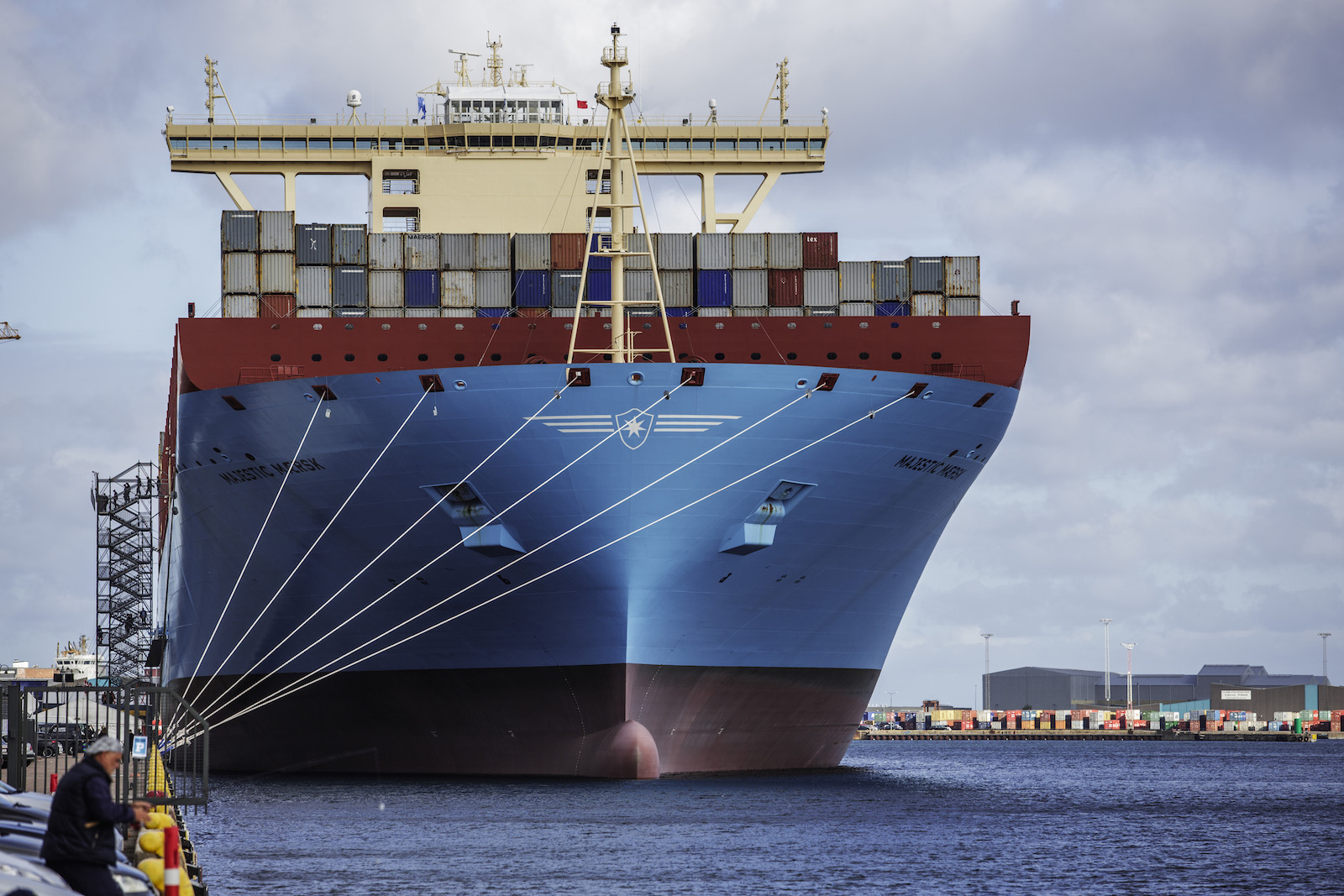
However, the industry has been actively exploring emission control technologies, alternative fuels, and sustainable practices to mitigate this impact and promote environmental sustainability. Auxiliary power consumption, including lighting, air conditioning, and other onboard facilities, also contributes to fuel usage. By adopting energy-efficient technologies and implementing sustainable practices, cruise lines can reduce the energy demands of these systems and minimize overall fuel consumption. The average fuel consumption per day of a cruise ship depends on various factors, such as the ship’s size, passenger capacity, itinerary, and operational practices.
Disney Wish cruises towards net-zero through fuel efficiency and emission control - Ship Technology
Disney Wish cruises towards net-zero through fuel efficiency and emission control.
Posted: Mon, 12 Feb 2024 08:00:00 GMT [source]
Emergency generators are instead used only for essential navigation systems - crucial communication equipment, critical pumps in the engine room, emergency lighting. 24 hours of power are at least provided by battery rooms to the smaller emergency equipment list. Gas turbine engines (being aero-derivative) generate heat which is transformed from mechanical energy into electricity. Hot exhaust is made over a turbine that spins to drive mechanically a shaft.
Royal Caribbean’s 'Icon of the Seas' Highlights Climate Impact of Cruises - Bloomberg
Royal Caribbean’s 'Icon of the Seas' Highlights Climate Impact of Cruises.
Posted: Mon, 22 Jan 2024 08:00:00 GMT [source]
These strategies aim to reduce fuel consumption and minimize the environmental footprint of cruise ships. Ultimately, the goal is to enhance the cruise experience for passengers while minimizing the environmental impact. Through continuous innovation and sustainable practices, the cruise industry is working towards a more fuel-efficient, eco-friendly, and responsible operation. As travelers, we can support this progress by choosing cruise lines that prioritize sustainability and by being conscious of our own environmental footprint while enjoying the wonders of the sea. Cruise lines continuously strive to find the right balance between ship size, passenger capacity, and fuel efficiency. By investing in technologies and adopting sustainable practices, the industry aims to reduce the environmental impact while still providing unforgettable experiences for passengers.
Adventure Gear and Amenities
Many sustainable cruise lines are committed to minimizing their fuel consumption per hour. In order to promote sustainable tourism and eco-friendly practices, these cruise lines have implemented various measures to reduce their environmental impact. As we delve into the subsequent section about the environmental impact of cruise ship fuel consumption, we will explore the various measures taken to mitigate any potential negative effects. Small cruise ships may only be able to hold 100,000 gallons of fuel, while the fuel tanks of some of the biggest cruise ships may hold upwards of four million gallons of fuel. Having journeyed on both cruise ships and observed cargo vessels, I’ve noticed their starkly different fuel consumption. Cruise ships focused on providing luxurious experiences, have high and varied power needs.
Direct access to the propulsion engine or generator engine is provided by the service tanks. Fine filters, temperature-controlling components, and other sophisticated equipment are included in the supply system. For instance, a third-generation engine’s performance varies greatly from eco speed to full load. This implies that based on these characteristics, every engine will have a different consumption chart.
On average, a mid-sized cruise ship can consume anywhere from 100 to 300 metric tons of fuel per day. Larger cruise ships, such as the Oasis-class vessels, can consume up to 250 metric tons of fuel per day or even more. These numbers may seem staggering, but they are necessary to propel these massive vessels through the water and generate electricity to accommodate thousands of passengers and crew members. Larger cruise ships with higher passenger capacities typically consume more fuel due to their increased size, weight, and energy requirements. On the other hand, smaller vessels with fewer amenities and a lower passenger capacity may have lower fuel consumption rates. Speed affects cruise ship fuel consumption because to go faster, vessels must increase the electricity flow to motors.
The consumptions drop to an average of 120 to 135 MT per day for loads between 60 to 85%. Moreover, the figure also goes below 100 MT if the vessel has a near-port drifting schedule. The size and construction parameters of the ship are static factors for its lifetime. These considerations are always present in the accounting of the engine performance too. It becomes important for the crew onboard to know the engine characteristics.
The air conditioning and ventilation systems onboard a cruise ship also consume a substantial amount of energy. These systems are essential to maintain a comfortable environment for passengers and crew, particularly in warm climates. Cruise operators employ advanced HVAC systems with energy-saving features, such as variable speed pumps and optimized temperature controls, to reduce power consumption while ensuring passenger comfort. One of the primary contributors to auxiliary power consumption is the lighting system onboard. Cruise ships are equipped with numerous lights throughout the vessel, including cabins, public spaces, theaters, and restaurants.
This spicy mac and cheese variation takes the traditional dish to a whole new level. To truly navigate the rough waters of sustainability, you need the guiding hand of government and international organizations. In terms of cost, if the current price of Heavy Fuel Oil (HFO) is $3 per gallon, it would cost approximately $42 to propel the ship one mile. LNG is a natural gas extracted from the earth’s core that has been cooled down to liquid form.
Another measure is the Ship Energy Efficiency Management Plan (SEEMP), which requires ships to develop strategies for improving energy efficiency. Additionally, the IMO has implemented sulfur emission limits, which require ships to use low-sulfur fuel or exhaust gas cleaning systems. These regulatory measures have led to a significant reduction in fuel consumption and emissions from cruise ships.


No comments:
Post a Comment